Kettlebell workouts have become a staple in functional fitness routines
Kettlebell workouts for women provide a dynamic approach to building strength, endurance, and mobility. Whether you’re a beginner or aiming to enhance your technique, mastering the proper grips and holds is crucial to unlocking the full benefits of kettlebell training. This not only ensures your safety but also boosts the overall effectiveness of your workouts.
Mastering safe holds and grips is essential for effective kettlebell workouts. To help you get started, we’ve provided a convenient reference chart detailing key grips and holds. Along with this, I’ll share crucial safety tips to keep you injury-free while demonstrating just how enjoyable kettlebell training can be, regardless of your fitness level. You can turn your kettlebell workout into a fun and rewarding experience with a few simple adjustments.
Check out our post on our recommended kettlebell gear here
Why Kettlebell Grips and Holds Matter
The way you grip and hold a kettlebell directly impacts your performance and safety during kettlebell workouts. A good grip can make your workout smoother, reduce fatigue, and prevent injuries. On the flip side, a poor grip can lead to issues like wrist strain, overuse injuries, and even dropped kettlebells—something none of us want!
That’s why it’s crucial to get the basics right from the start. The more comfortable and confident you are with your grip and hold, the more you’ll enjoy your kettlebell workouts. You’ll also notice faster progress in strength and technique, which is always motivating.
Keep your Kettlebell workouts Safe
Let’s take a closer look at some of the most common kettlebell grips and holds. Each grip has its place in your routine, and mastering them will allow you to flow through exercises seamlessly.
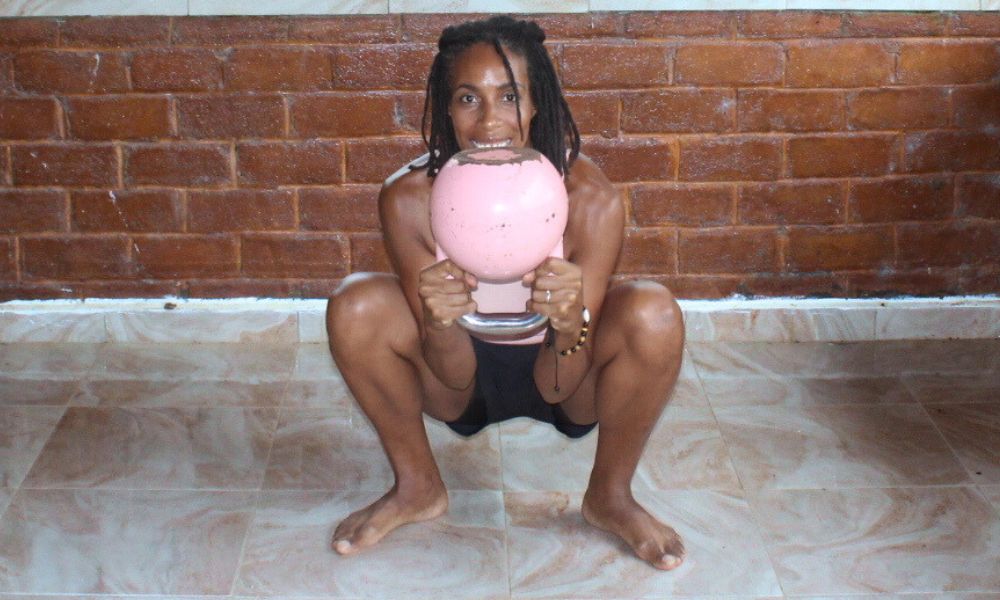
Goblet Hold
- Exercises: Goblet Squats, Goblet Lunges
- How To: Hold the kettlebell close to your chest with both hands gripping the sides of the handle (the horns). Your elbows should be tucked in, and the kettlebell should remain close to your body throughout the movement.
- Safety Tip: Maintain a neutral spine during squats or lunges. Keep the kettlebell close to your body to prevent unnecessary strain on your lower back.
The goblet hold in kettlebell exercises primarily engages the quadriceps, glutes, core, and upper back muscles. Holding the kettlebell close to your chest while performing goblet squats helps improve posture and stabilizes the core. This grip is particularly effective for kettlebell workouts that focus on full-body strength and stability, making it a great option for those looking to improve their kettlebell technique.
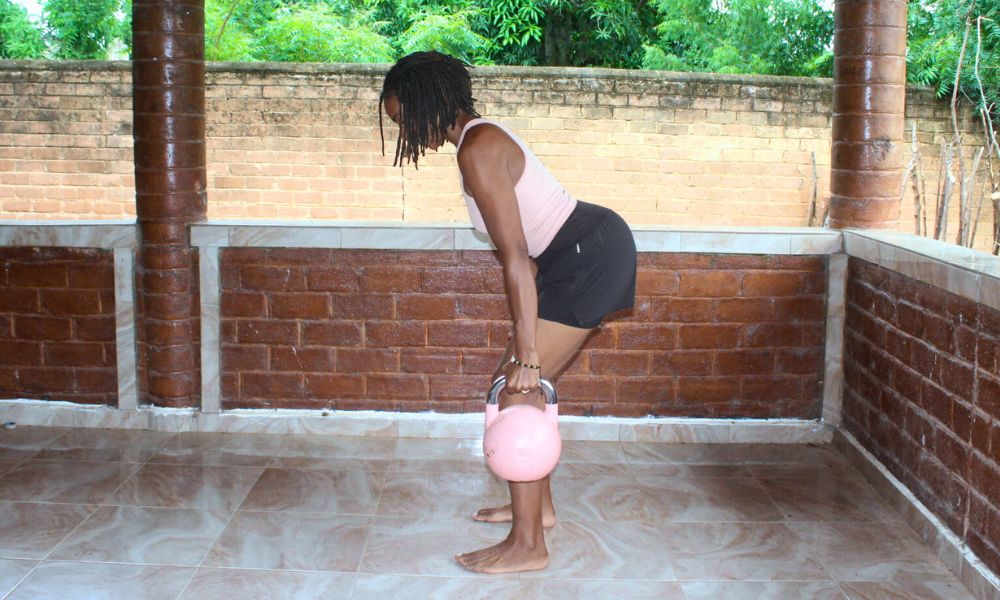
Suitcase Hold
- Exercises: Suitcase Deadlifts, Carries
- How To: Hold the kettlebell by your side with a straight arm, similar to holding a suitcase. This hold challenges your unilateral stability and core strength.
- Safety Tip: Avoid leaning to one side or twisting your torso. Engage your core to stabilize your body, and ensure that your posture remains upright.
The suitcase hold targets the obliques, grip strength, and lower back, especially during exercises like suitcase deadlifts and carries. This unilateral hold in kettlebell workouts helps correct imbalances, strengthens the core, and builds functional strength for daily activities. It’s a valuable technique in both kettlebells for women and men to ensure balanced development.
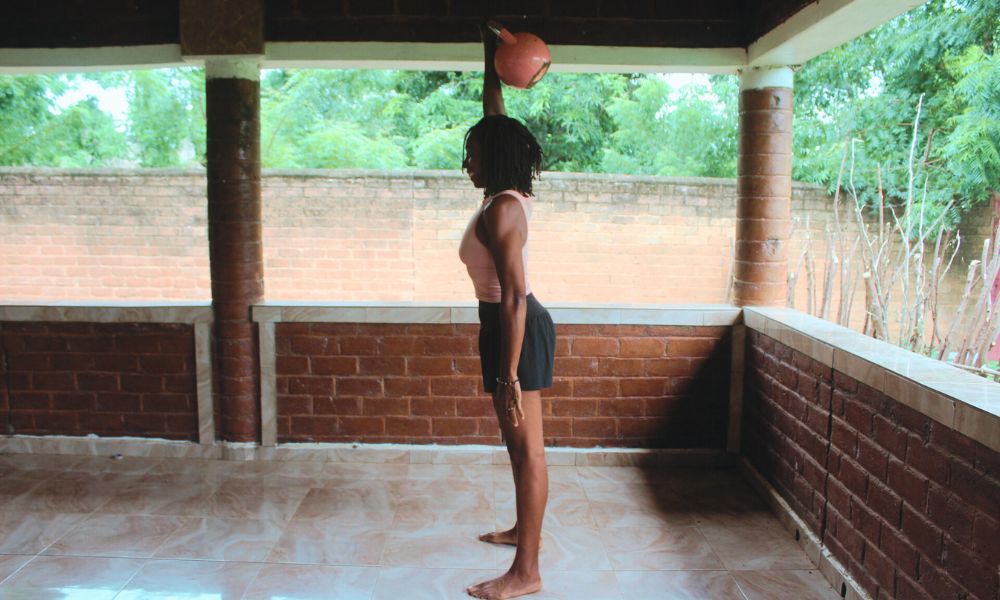
Overhead Hold
- Exercises: Overhead Press, Turkish Get-Ups, Overhead Carries
- How To: Press or hold the kettlebell overhead with a fully extended arm. This hold requires shoulder stability and core engagement.
- Safety Tip: Keep your arm extended without locking the elbow. Focus on maintaining a stable shoulder position and avoid arching your lower back.
The overhead hold activates the shoulders, triceps, core, and upper back, particularly during overhead presses and Turkish get-ups. This hold is essential for improving shoulder stability and control in kettlebell exercises, while emphasizing kettlebell safety through proper posture and engagement.

Racked Hold
- Exercises: Front Squats, Presses, Carries
- How To: Rest the kettlebell on your forearm, with the handle running diagonally across your palm. The kettlebell should be close to your chest, and your thumb should point towards your collarbone.
- Safety Tip: Ensure the kettlebell is resting comfortably on your forearm. Keep your wrist neutral and aligned with your forearm to avoid strain.
With the racked hold, the shoulders, forearms, and core work to stabilize the kettlebell. This position is commonly used in kettlebell workouts that involve presses or front squats. It’s a key element of kettlebell technique, ensuring your body maintains alignment and the kettlebell stays close to your center of mass for safety and effectiveness.

Bottoms-Up Hold
- Exercises: Bottoms-Up Presses, Carries
- How To: Grip the kettlebell handle with the base facing up. This hold requires significant wrist and forearm stability.
- Safety Tip: Keep a firm grip on the handle and focus on controlling the kettlebell to prevent it from wobbling. This hold is great for building wrist and shoulder stability but requires concentration.
The bottoms-up hold emphasizes wrist and forearm stability, while also engaging the shoulders and core. This grip requires precise control, making it an advanced technique in kettlebell exercises. Incorporating this into your training is particularly beneficial for kettlebell safety, as it builds control and reduces the risk of injury.
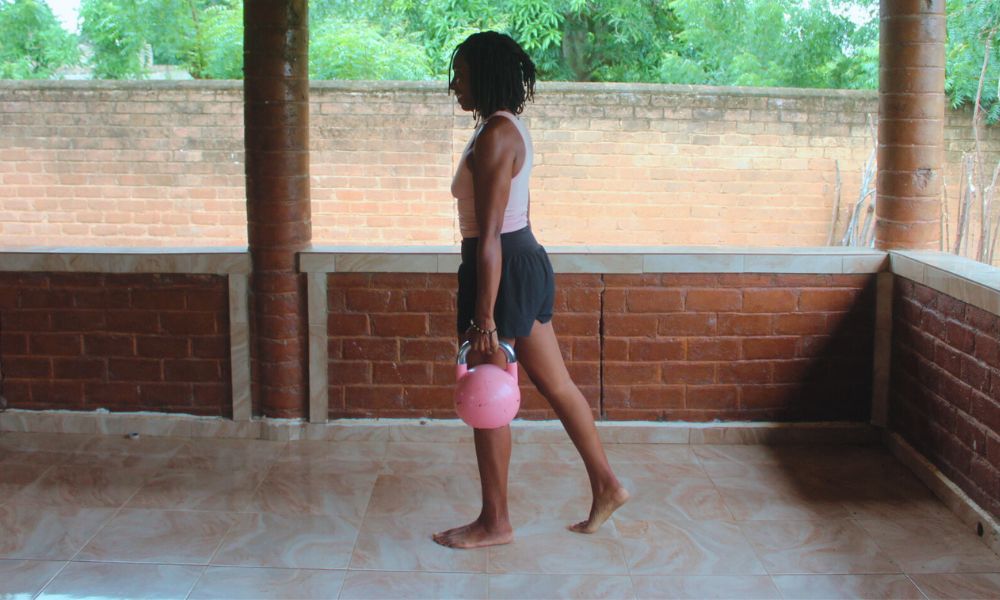
Farmer’s Hold
- Exercises: Farmer’s Walk, Deadlifts
- How To: Hold a kettlebell in each hand with arms fully extended by your sides. This hold is excellent for building grip strength and core stability.
- Safety Tip: Keep your shoulders pulled back and avoid slouching. Engage your core to maintain stability and balance as you walk or deadlift.
In the farmer’s hold, the forearms, grip strength, traps, core, and legs are heavily engaged. This hold is commonly used in kettlebell exercises like farmer’s carries and deadlifts, and it’s excellent for building functional strength and improving overall kettlebells technique. It’s a fantastic addition to kettlebells for women seeking to improve their grip and core strength.
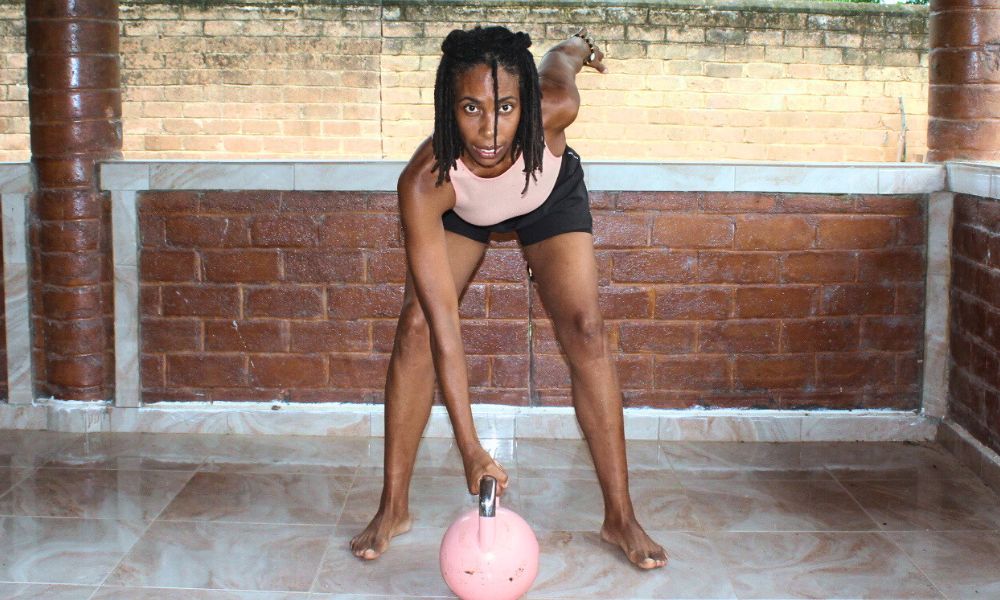
One-Hand Hold
- Exercises: Kettlebell Swings, Cleans, Snatches
- How To: Use a hook grip with one hand to hold the kettlebell handle. This grip is ideal for dynamic exercises that require quick transitions.
- Safety Tip: Focus on controlling the kettlebell throughout the movement. Avoid gripping too tightly, as this can lead to forearm fatigue.
The one-hand hold is utilized during kettlebell swings, cleans, and snatches, engaging the shoulders, forearms, glutes, hamstrings, and core. This grip is essential for mastering dynamic kettlebell workouts and refining your kettlebell technique to ensure safe and effective performance.
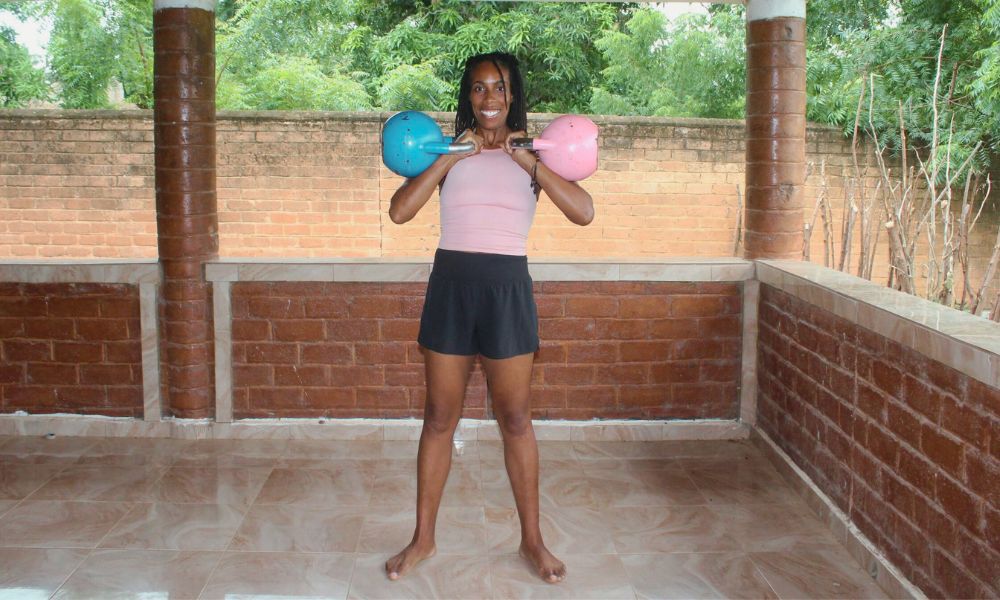
Double Racked Hold
- Exercises: Double Kettlebell Front Squats, Presses
- How To: Hold a kettlebell in each hand in the racked position. This hold challenges your core and stability even more than the single-racked hold.
- Safety Tip: Keep your core engaged to avoid tilting forward. Ensure both wrists are neutral and aligned with the forearms to prevent strain.
The double racked hold engages both the shoulders, forearms, core, and legs, often used in more advanced kettlebell exercises like double front squats and presses. This position enhances balance and full-body engagement, while highlighting kettlebell safety through proper alignment.
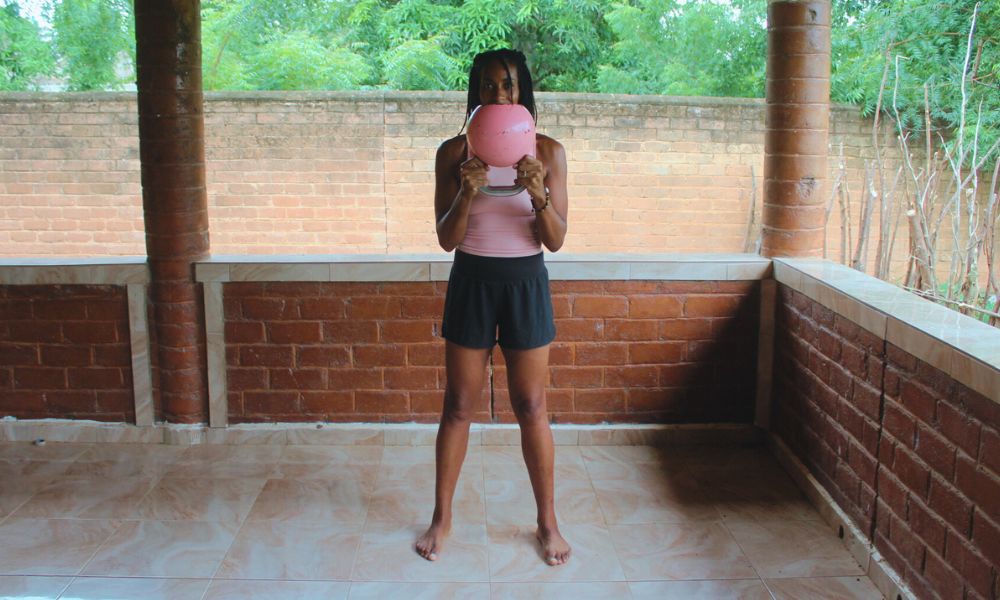
Horn Hold
- Exercises: Bicep Curls, Russian Twists
- How To: Hold the kettlebell by the horns (sides of the handle) with both hands. This grip is useful for exercises that require control and precision.
- Safety Tip: Focus on controlling the kettlebell throughout the movement. Keep your core engaged, and avoid any sudden jerking motions.
The horn hold is typically used in exercises like bicep curls and Russian twists, focusing on the arms, shoulders, core, and grip strength. This grip is great for refining kettlebells technique in isolation exercises and is particularly useful for sculpting the upper body in kettlebells for women.
Reference Chart: Kettlebell Holds, Exercises, and Safety Tips
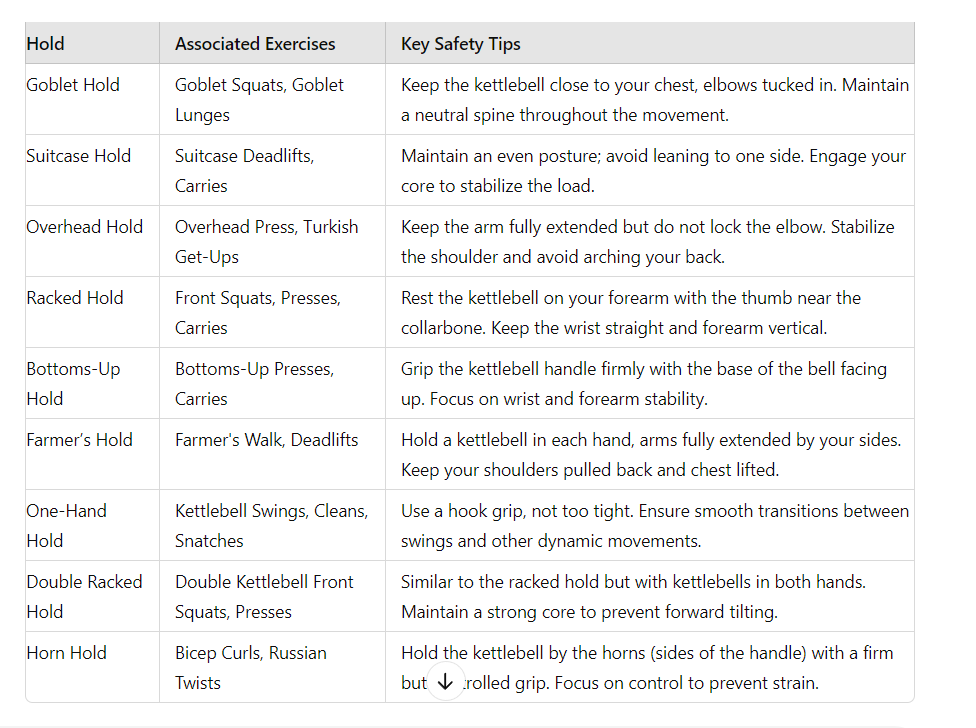
Reference Chart: Kettlebell Holds, Exercises, and Safety Tips
Safety Tips: Gear and Technique
Proper technique is essential, but the right gear can also make a significant difference in your kettlebell training. Here are some safety tips and gear suggestions to help you get the most out of your workouts.
- Wrist Guards: Kettlebell exercises that involve resting the bell on your forearm (like racked holds and cleans) can sometimes cause discomfort or bruising. Wearing wrist guards can protect your wrists and make the experience more comfortable.
- Chalk for Grip: Sweaty hands can make kettlebells slippery, increasing the risk of losing control. Using chalk can improve your grip by reducing moisture, especially during high-rep or longer sets.
- Proper Footwear: Flat, stable shoes provide the best support for kettlebell training. Avoid overly cushioned shoes, as they can affect your balance and make it harder to stabilize during movements like swings and deadlifts.
Have Fun with Kettlebell Training
One of the best things about kettlebell training is that it’s both challenging and fun. Unlike traditional weightlifting, kettlebells involve dynamic movements that engage multiple muscle groups simultaneously. This not only improves strength and endurance but also makes your workouts more engaging.
Safety Tips: Gear and Technique
Proper technique is essential, but the right gear can also make a significant difference in your kettlebell training. Here are some safety tips and gear suggestions to help you get the most out of your workouts.
- Wrist Guards: Kettlebell exercises that involve resting the bell on your forearm (like racked holds and cleans) can sometimes cause discomfort or bruising. Wearing wrist guards can protect your wrists and make the experience more comfortable.
- Chalk for Grip: Sweaty hands can make kettlebells slippery, increasing the risk of losing control. Using chalk can improve your grip by reducing moisture, especially during high-rep or longer sets.
- Proper Footwear: Flat, stable shoes provide the best support for kettlebell training. Avoid overly cushioned shoes, as they can affect your balance and make it harder to stabilize during movements like swings and deadlifts.
Have Fun with Kettlebell Training
One of the best things about kettlebell training is that it’s both challenging and fun. Unlike traditional weightlifting, kettlebells involve dynamic movements that engage multiple muscle groups simultaneously. This not only improves strength and endurance but also makes your workouts more engaging.
Experimenting with different kettlebell holds and flows can keep your routine fresh and exciting. Whether you’re perfecting your swings, mastering the Turkish get-up, or challenging yourself with bottoms-up presses, there’s always something new to explore with kettlebells.
Remember, fitness is a journey, not a destination. Enjoy the process, celebrate your progress, and don’t be afraid to try new things. Kettlebells offer endless possibilities, so get creative and have fun with your training!